Best Practices for Cut Flower Maintenance
Posted on 21/08/2025

Best Practices for Cut Flower Maintenance
Freshly cut flowers can bring vibrancy, beauty, and delightful fragrance into any room. Yet, without the right care, even the most stunning bouquets will quickly wilt and lose their appeal. Whether you've received a bouquet as a gift, purchased flowers for a special occasion, or picked blooms from your own garden, knowing best practices for cut flower maintenance can prolong their lifespan and keep them looking gorgeous for days or even weeks.
Why Proper Cut Flower Care Matters
Keeping cut flowers fresh isn't just about aesthetics. Well-maintained arrangements can:
- Save money by reducing the need for frequent replacements
- Create a more inviting and pleasant environment
- Support sustainability by reducing waste
- Allow you to enjoy the symbolism and beauty of flowers longer
The First Steps: Preparing Your Flowers
Cleanliness is Key
Before you even begin arranging your cut flowers, it's vital to clean your vase thoroughly with hot, soapy water. Bacteria in a dirty vase can rapidly destroy blooms by clogging stems and reducing water uptake. Rinse well and, if possible, use a solution of diluted bleach (1 teaspoon per quart of water) to disinfect your vase before use.
Trimming and Conditioning Stems
Re-cut flower stems before placing them in water. Use a sharp, clean knife or floral shears to cut stems at a 45-degree angle. This exposes more surface area for water absorption and prevents the stem from sitting flat on the bottom of the vase, which can impede uptake.
Key Tips:
- Always cut underwater if possible--this prevents air from entering the stem and causing blockages (embolism).
- Remove any leaves that will sit below the water line. This prevents rot and bacterial growth.
- Woody stems (like roses, lilacs, or hydrangeas) benefit from additional splitting or gentle crushing at the end to further increase water uptake.
Water: The Lifeline of Cut Flowers
Using the Right Water
Fill your vase with lukewarm water. Cold water can shock flowers, especially upon first placement. Some varieties, such as tulips, prefer slightly cooler water, but most cut flowers do best in water that's neither hot nor cold.
If you have particularly hard or soft tap water, consider using filtered or distilled water. The minerals in hard water or the chemicals in treated water can sometimes inhibit optimal hydration.
Nourishing Your Blooms: Flower Food and Alternatives
Most commercially sold bouquets come with a packet of flower food. This mixture typically contains a blend of sugar (to feed the flowers), acid (to balance pH), and a biocide (to kill bacteria and fungi). Always follow the directions on the packet for the correct dilution.
If you don't have flower food, make your own by adding:
- 1 teaspoon sugar
- 1 teaspoon white vinegar or lemon juice
- 1/2 teaspoon household bleach
- Per 1 liter of lukewarm water
Ongoing Care for Cut Flowers
Change the Water Regularly
The most critical factor in preserving cut flowers is keeping the water fresh and clean. Change the water every 1-2 days, rinse the stems, and wash the vase to remove bacterial buildup. Replenish flower food as needed.
Trim Stems Regularly
- Every time you change the water, trim 1-2 cm off the stems at a 45-degree angle.
This increases hydration and keeps the ends from sealing over.
Consistent trimming can extend the life of most flowers significantly.
Remove Spent Blooms and Foliage
- Deadhead or remove wilted blooms immediately; these can release ethylene gas and expedite aging of remaining flowers.
- Take out leaves and scraps that fall below the waterline to avert bacterial growth.
Ideal Placement for Long-Lasting Flowers
Avoid Heat and Direct Sun
- Keep your arrangement away from direct sunlight, radiators, open windows, and heat vents.
- Cooler temperatures slow the metabolism of flowers, helping them last longer.
Steer Clear of Ripening Fruits
- Fruits (especially bananas and apples) emit ethylene gas, which causes flowers to age and wilt prematurely.
- Place vases far from your fruit bowl!

Specialized Tips for Popular Flower Types
Roses
Remove all thorns and foliage that will be submerged. Roses are susceptible to bacterial blockage, so never skip changing the water and re-cutting the stems. If a rose wilts, try submerging the entire stem and bloom in water for an hour to revive it.
Tulips
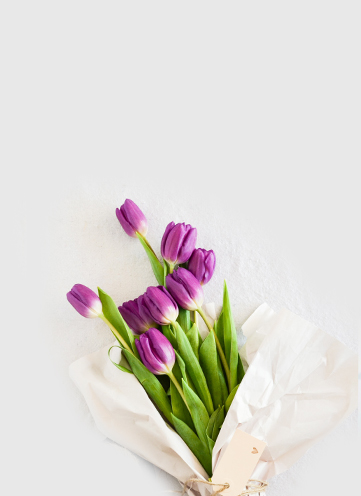
Tulips continue to grow and bend after cutting. Use tall, supportive vases and very cool water. Avoid placing them with daffodils, as the sap from daffodils is toxic to tulips.
Lilies
Remove pollen stamens as soon as lilies open to prevent staining petals, and handle blooms gently to avoid bruising fragile petals.
Daffodils and Narcissus
Keep these in separate water for the first 24 hours to rinse their sap before mixing them with other flowers--they can be toxic to some species.
Common Mistakes in Cut Flower Maintenance
To ensure your cut flowers stay fresh, avoid these frequently made errors:
- Not re-cutting stems: Blocked stems drastically shorten flower life.
- Allowing leaves below the waterline: Leads to rapid bacterial growth.
- Infrequent water changes: Dirty, murky water is a breeding ground for pathogens.
- Neglecting flower food: Flowers need both nourishment and protection from bacteria to thrive.
- Improper placement: Heat, sun, and ethylene-rich air can ruin a bouquet quickly.
Extra Tips and Tricks for Extending Vase Life
- Refrigerate overnight: If you have space, putting arrangements in the fridge overnight can extend their life.
- Use floral preservatives: Commercial solutions are specifically formulated for longevity and hygiene.
- Mist delicate blooms: Orchids, gardenias, and hydrangeas benefit from gentle spritzing with clean water.
- Prune wisely: Regularly remove dying flowers to prevent ethylene build-up.
Eco-Friendly Flower Maintenance Practices
Responsible flower care doesn't end when your arrangement fades. Compost spent flowers, use water and flower food judiciously, and opt for locally grown and seasonal blooms whenever possible to reduce environmental impact.
Frequently Asked Questions About Cut Flower Maintenance
How Can I Make Cut Flowers Last Longer?
Follow these key tips:
- Re-cut stems every couple of days
- Change water frequently
- Keep arrangements away from direct sun, heat, and ripening fruit
- Remove dying flowers quickly
- Use flower food
Is Aspirin, Vodka, or Pennies Good for Cut Flowers?
These old wives' tales have limited effectiveness. While some substances like copper pennies or aspirin may slightly inhibit some bacteria, a commercial or DIY flower food with sugar, citric acid, and bleach is far more effective for flower maintenance.
How Long Can Most Cut Flowers Last?
With proper cut flower care, most arrangements last 7-10 days. Hardier varieties like chrysanthemums and carnations can persist for up to two weeks, while delicate blooms (like sweet peas or poppies) may only last a few days regardless of care.
Summary: Mastering the Art of Cut Flower Maintenance
With these cut flower maintenance tips, you can enjoy your blooms at their brightest and best for as long as possible. The cornerstones of successful cut flower care are cleanliness, regular water changes, proper stem trimming, flower food, and appropriate placement. By following these scientifically-proven and time-tested methods, you'll maximize the life and beauty of your arrangements and create a stunning floral display that will brighten your home or workspace for days to come.
Remember, every flower variety has unique needs. Always do a little research or ask your florist for any special care instructions when you receive a particularly rare or unfamiliar flower type.
Enjoy your vibrant, long-lasting flowers with confidence--now that you know the very best practices for cut flower maintenance!