Care Techniques for Stunning Cut Flowers
Posted on 15/09/2025

Care Techniques for Stunning Cut Flowers: A Complete Guide
There's nothing quite like the vibrant charm of a fresh bouquet brightening up your home. But how do you keep cut flowers looking lush and lively for as long as possible? In this comprehensive guide, discover proven care techniques for cut flowers that ensure your arrangements remain stunning, fragrant, and beautiful for days longer. Whether you're bringing in blooms from the garden or arranging florist-bought stems, these expert tips will transform your floral displays.
Understanding Cut Flower Longevity: Why Proper Care Matters
The beauty of cut blooms is fleeting by nature, but with strategic care your flowers can thrive much longer. Knowing the science behind their needs is essential:
- When flowers are cut, they lose their root supply of water and nutrients.
- Bacteria can quickly clog stems and accelerate wilting.
- Environmental factors like temperature, light, and humidity play a huge role.
Caring for cut flowers isn't just about aesthetics - it's about fostering their health and ensuring they provide lasting joy.
Essential Supplies for Caring for Cut Flowers
Gather these key tools and products before you begin:
- Sharp, clean scissors or secateurs - For making precise stem cuts.
- Spotless vases or containers - To prevent bacterial growth.
- Flower food or preservative - For optimal nourishment.
- Fresh, lukewarm water - Key to hydration.
- Clear workspace - For arranging and re-cutting stems.
Proper tools support flower care techniques and make the process more efficient.
Step-by-Step: Preparing Your Cut Flowers for Display
1. Trim Stems Immediately
As soon as you bring flowers inside (or receive them), cut their stems at a 45-degree angle using clean, sharp scissors or knives. This maximizes the surface area for water absorption.
- Tip: Make cuts underwater if you can, to prevent air from entering the stems and causing blockages.
- Remove at least 1 inch from each stem for optimal uptake.
2. Remove Lower Leaves
Leaves submerged in the water will rot quickly, encouraging bacteria. Strip all foliage below the waterline before arranging your bouquet.
3. Choose the Right Vase and Clean Thoroughly
Bacteria are the enemy of long-lasting fresh flowers. Always clean your vase or container with hot, soapy water--and rinse well--before adding flowers.
4. Use Flower Food Wisely
Most bouquets (especially from florists) come with a packet of flower preservative. Use it--it contains sugar, citric acid, and antimicrobial agents that nourish flowers and inhibit bacterial growth. If you run out:
- Mix 1 teaspoon sugar and 2 drops bleach into 1 quart of water as a homemade replacement.
- Change solution every 2-3 days for best results.
5. Hydrate and Arrange Blooms
Fill your vase with lukewarm (not cold) water, as it's more easily absorbed by freshly cut stems. Arrange flowers with enough space for air to circulate between them, preventing wilting and mold.
Advanced Flower Care Techniques to Maximize Vase Life
Keep Flowers Cool and Out of Direct Sun
Heat speeds up the evaporation and aging processes in cut blooms. Display arrangements away from bright sunlight, radiators, or fans. Ideal temperature is between 18-21?C (65-70?F).
Refresh Water Regularly
Change the water completely every two days. Give stems a fresh trim each time you do to open up water channels. Wash the vase, too!
Prune and Discard Wilting Flowers
Remove any wilted or drooping flowers promptly. Ethylene gas from decaying blooms shortens the lifespan of remaining healthy flowers.
Avoid Placing Near Ripening Fruit
Did you know? Ripening fruit emits ethylene gas, which tells flowers to age faster. Keep arrangements far away from fruit bowls for fresher flowers.

Specialized Cut Flower Care for Different Varieties
Different flowers have different requirements. Here's a guide for caring for popular cut flower types:
Roses
- Remove thorns and guard petals.
- Cut stems underwater.
- Re-cut stems daily for the longest vase life.
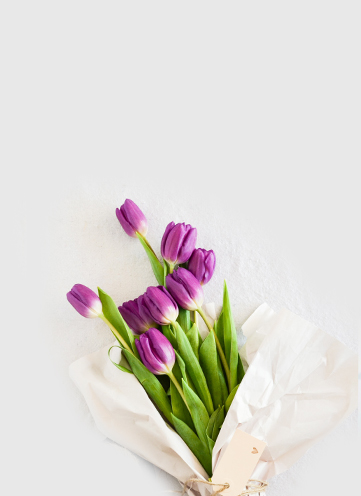
Tulips
- Cut tulips' stems straight, not at an angle.
- Keep in shallow water; too much causes limp stems.
- Add a penny or wire to help support droopy tulips.
Hydrangeas
- Dip freshly cut stems in boiling water for 30 seconds to enhance water uptake.
- Mist blooms with water daily to prevent wilting.
Lilies
- Remove pollen-heavy anthers; they can stain and cause allergies.
- Handle with care, as lilies are sensitive to ethylene.
Sunflowers
- Use tall, sturdy vases for support.
- Change water every day as sunflowers drink a lot.
Eco-Friendly Flower Care Tips
- Reuse vase water in the garden after bouquets fade--never pour down the sink if clean.
- Compost spent blooms and stems.
- Opt for organic or homemade flower food to minimize chemicals in your home environment.
Myths and FAQs About Cut Flower Care
Is bleach, aspirin, or soda effective for cut flowers?
Small amounts of bleach can inhibit bacteria, but too much is harmful. Soda (for sugar content) sometimes helps, but flower food is best. Aspirin hasn't been shown to have real benefits. When in doubt, use commercial flower food or a simple sugar and bleach mix.
How do I revive wilted blooms?
- Re-cut the stems under water.
- Plunge the whole flower (including head) into cool water for 30-60 minutes.
- Return to vase with fresh water, and keep cool.
Do all flowers last the same amount of time?
Not all cut flower varieties have equal vase lives. Carnations and chrysanthemums can last weeks, while poppies and sweet peas fade within days. Always research each bloom's expected lifespan.
Aesthetic and Arrangement Tips for Stunning Flower Displays
- Vary stem lengths for dynamic arrangements.
- Mix textures and flower sizes to create visual interest.
- Cluster flowers in odd numbers (like 3 or 5) for natural appeal.
- Rotate the vase every few days to ensure even light exposure and prevent leaning.
A well-arranged and well-cared-for bouquet isn't only beautiful--it's a living piece of art!
Summary: Prolong the Life of Your Cut Flowers With These Key Steps
- Trim and prepare stems immediately upon arrival.
- Use clean vases and fresh water.
- Feed flowers with a preservative solution.
- Avoid environmental stress: keep cool, away from sun, fruit, and drafts.
- Refresh water and re-trim stems every few days.
- Remove dying flowers and leaves regularly.
Consistent care makes all the difference. With these effective techniques for cut flower care and a little daily attention, you'll enjoy fresh, stunning bouquets that beautify your space day after day.
Final Thoughts: Make the Most of Every Bloom
Every stem has the potential to brighten your room and lift your mood--but only with the right care. Follow these steps, experiment with arrangements, and take time to appreciate the fleeting, natural beauty of fresh flowers in your home.
If you enjoyed these tips for maximizing the beauty and longevity of your cut flower arrangements, share this guide with other flower lovers--and let your blossoms shine!