Exploring Uncharted Territory: 7 Facts About Tulips
Posted on 05/10/2025
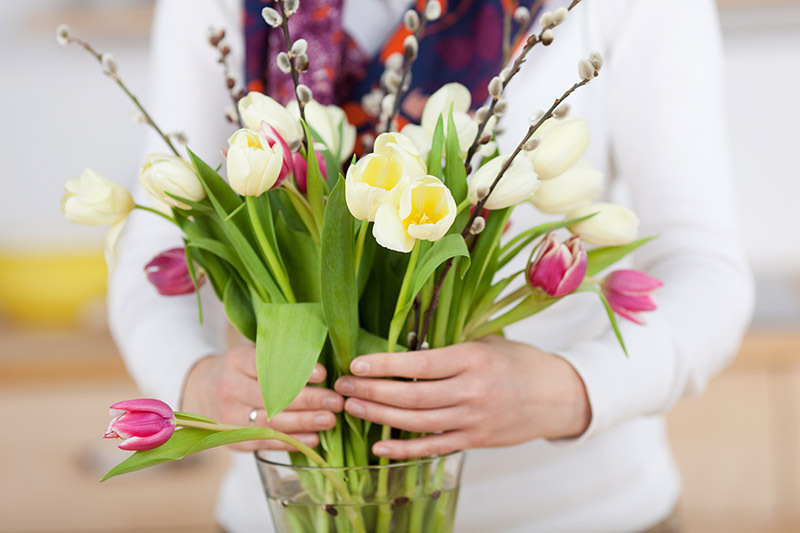
Exploring Uncharted Territory: 7 Facts About Tulips
Tulips are celebrated as one of the world's most beloved spring flowers, their vibrant colors and delicate forms heralding the arrival of milder days. But far beyond their beauty, tulips offer a treasure trove of stories, scientific wonders, and surprising facts. In this comprehensive article, we'll journey into uncharted territory, exploring little-known and fascinating aspects of tulips that will enrich your appreciation of these enchanting blooms.
Table of Contents
- 1. Tulips Have Diverse and Surprising Origins
- 2. The Tulip Craze: History's First Economic Bubble
- 3. Unusual Varieties and Rare Species
- 4. Unique Biological Traits of Tulips
- 5. Tulips Span the Cultural Spectrum
- 6. Amazing Colors and Patterns Explained
- 7. Modern Uses and Symbolism of Tulips
- Conclusion: The Enduring Enchantment of Tulips
1. Tulips Have Diverse and Surprising Origins
While commonly associated with the Netherlands, tulips did not originate there. In fact, the history of tulips traces back to a far more diverse and unexpected geography. The wild ancestors of modern tulips are native to Central Asia, particularly the mountainous regions of Kazakhstan, Iran, and the Himalayas. These original species evolved to adapt to arid slopes with extreme temperature fluctuations.
Key points about tulips' origins:
- Tulips began as wildflowers in steppes and high mountains, not lowland wetlands.
- They were first cultivated by Ottoman Empire gardeners long before Dutch tulip mania.
- The very name "tulip" comes from the Turkish word tulbend, referring to a turban -- echoing the flower's turban-like shape.
- The introduction of tulips to Western Europe only began in the 16th century, revolutionizing European gardening.
Did you know? Modern tulips are botanically classified under the genus Tulipa, with over 75 wild species and more than 3,000 registered varieties!
2. The Tulip Craze: History's First Economic Bubble
Few flowers have rocked the world economy like tulips. In the 17th century, the Netherlands exploded into what historians refer to as "Tulip Mania," widely considered the world's first recorded speculative bubble.
Here's what makes this period remarkable:
- The demand for rare tulip bulbs escalated prices to astronomical levels -- some single bulbs sold for more than Amsterdam's finest houses!
- Tulip bulbs became a form of currency and were used in contracts by merchants and laborers alike.
- The bubble burst in 1637, crashing prices overnight and causing widespread economic hardship.
Tulip Mania has become an enduring metaphor for irrational financial exuberance, illustrating how even the allure of a delicate flower can shape--and shake--world markets.
3. Unusual Varieties and Rare Species
Most people are familiar with classic tulip shapes and colors, but the world of tulips is astonishingly diverse. Horticulturists and botanists have developed and preserved an array of unusual tulip varieties that offer extraordinary beauty and curiosity.
Consider these fascinating highlights:
- Parrot tulips: With ruffled, feathered petals and dramatic variegations, these tulips resemble the plumage of tropical birds.
- Viridiflora tulips: Their distinctive green streaks add a splash of unexpected color to gardens.
- Wild tulip species: Such as Tulipa acuminata, which boasts thin, needle-like petals in bold yellow and red.
- Rembrandt tulips: Famous for their flame-like, multicolored patterns caused by a now-rare tulip-breaking virus (no longer intentionally cultivated for health reasons but highly prized by collectors).
Many of these rare tulips are in danger of extinction in the wild, underlining the importance of botanical conservation for future generations of tulip lovers.

4. Unique Biological Traits of Tulips
Tulips aren't just beautiful -- they're scientifically fascinating. The biology of tulipa exhibits several unique traits that set them apart from other blooms:
- Tulips have contractile roots: These specialized roots can pull the bulb deeper into the soil, allowing it to reach the ideal depth for survival.
- Phototropism: Tulip flower heads turn and bend towards sources of sunlight, displaying a dynamic interaction with their environment.
- Temperature sensitivity: Tulip petals close at night or during bad weather, reopening in sunlight for pollinators. This trait is called "nyctinasty."
- Pollen-tolerance: The genus Tulipa contains varieties that are particularly attractive to bees and insects, supporting biodiversity in gardens and wild spaces.
Scientific discovery: Tulips are used in genetics and plant research to study floral symmetry, color genetics, and adaptation traits due to their genetic diversity.
5. Tulips Span the Cultural Spectrum
As well as being adored by gardeners, tulip flowers have inspired nations, poetry, and art across the globe. Their symbolism is as diverse as their blooms. Here are some remarkable cultural touchpoints:
- In Turkey and Persia, tulips symbolize paradise and have been central motifs in art, textile, and poetry for centuries.
- The Netherlands has adopted the tulip as a national symbol, hosting world-famous festivals like Keukenhof Gardens and promoting the flower as a major export.
- Tulips feature prominently in Ottoman architectural decor, from tiles to imperial gardens.
- Throughout Europe's Golden Age, tulips appeared in countless still-life paintings, representing delicacy, impermanence, and the wealth of the merchant class.
Even today, the annual tulip season attracts millions of travelers and photographers, highlighting the persistent hold these flowers have on the global imagination.
6. Amazing Colors and Patterns Explained
If you've ever marveled at the extensive palette of tulip flower varieties -- from shimmering whites and lemony yellows to saturated purples and bicolored stripes -- you're not alone. The science behind these vibrant colors is as complex as it is beautiful:
- Pigment Chemistry: Color in tulips comes from natural pigments called anthocyanins (reds and purples) and carotenoids (yellows and oranges).
- Genetic Mixing: Breeders combine wild and cultivated species to produce new hues and forms, contributing to over 3,000 named varieties.
- Viral Influences: Some historic multicolored "broken" tulips gained their distinctive markings from the tulip breaking virus, long before the process was understood -- resulting in beautiful, but weakened, plants.
- Rare Blue and Black Tulips: Despite centuries of breeding, truly blue tulips do not exist due to the limits of tulip genetics. The legendary "black tulip" is actually a very deep purple cultivar such as 'Queen of Night.'
Whether you're growing striped parrot tulips or classic single blooms, the spectrum of tulip colors is a testament to intricate plant science and centuries of horticultural passion.
7. Modern Uses and Symbolism of Tulips
Tulips continue to enchant and serve humanity in both traditional and surprising new ways:
- Cut Flowers: Tulips remain a staple in the global cut flower trade, valued for their graceful lines and longevity in bouquets.
- Culinary Curiosities: While not widely known, some wild tulip petals and bulbs are edible and have been used in culinary experiments (note: caution required due to potential toxicity in certain species).
- Medicinal Research: Scientific studies are underway exploring the antibacterial properties of tulip extracts, especially in folk medicine traditions.
- Symbolism in Modern Life: Tulips signify perfect love, renewal, and spring's hope -- making them popular in weddings, celebrations, and as tokens of friendship.
- Landscaping and Environmental Restoration: Wild tulip species are used in restoration projects to support native pollinators and conserve regional biodiversity.
Pro tip: To make your tulip bouquets last longer, trim stems under running water, place them in fresh, cool water, and keep away from direct heat or fruit.
Conclusion: The Enduring Enchantment of Tulips
From their unusual beginnings in Central Asia to their status as icons of beauty, innovation, and even economic caution, tulips have never lost their ability to surprise and captivate. As we have discovered through these seven fascinating facts, tulips are much more than just ornamental plants -- they offer a window into history, culture, biology, and the endless creativity of human hands.
Whether you're gazing at an endless field of Dutch tulips, cherishing a single bloom in a vase, or planning your garden for next spring, remember that every tulip holds a story. By exploring the uncharted territory of tulip facts, you're part of a centuries-old tradition of wonder and discovery -- a tradition still very much in bloom.
Discover more about tulip types, blooming tips, and their cultural significance in our upcoming articles -- celebrate the diversity and wonder of tulips every season!