Unlocking the Secrets: 7 Facts About Tulips You Didn't Know
Posted on 13/08/2025
Unlocking the Secrets: 7 Facts About Tulips You Didn't Know
The tulip is more than just a symbol of spring's vibrant return. Captivating and elegant, these blooms have claimed a unique spot in gardens, hearts, and even financial history across continents. But beneath those iconic, cup-shaped petals lies a world of fascinating stories and lesser-known truths. Whether you're a passionate gardener, a flower enthusiast, or someone enchanted by their colors, understanding more about tulips can deepen your appreciation for these dazzling plants. In this article, we're unlocking the secrets surrounding tulips--diving into seven surprising facts about tulips you probably didn't know.
1. Tulips Originated Far from Holland
When most people think of tulips, images of vast Dutch fields bursting with color often spring to mind. But did you know that tulips weren't always synonymous with the Netherlands? In fact, their journey began over a thousand years ago--and not in Europe.
- Native to Central Asia: The wild ancestors of today's tulips originated in the mountainous steppes of Kazakhstan, Iran, and parts of China. Each spring, these hardy flowers brought life to arid landscapes.
- Spread via the Ottoman Empire: Tulips became highly prized in the Ottoman Empire (present-day Turkey). Cultivated in palace gardens, they were considered luxury items and cultural symbols of abundance and beauty.
How Tulips Traveled to Europe
Tulip bulbs were first introduced to Western Europe in the 16th century through diplomatic and trade relationships. The story goes that Sultan Suleiman the Magnificent gifted tulip bulbs to important European ambassadors, sparking an instant fascination that would soon lead to a full-blown tulip craze.

2. The Tulip Mania: History's First Economic Bubble
Tulip mania is a term you may have heard, but few realize just how extraordinary this episode of economic history was. In the early 17th century, Holland experienced a frenzy of speculation over tulip bulbs--one of the world's first recorded financial bubbles.
-
Exponential Value Increase: By the 1630s, rare and vividly colored tulip bulbs were changing hands for prices exceeding those of Amsterdam townhouses.
(A single bulb of the coveted 'Semper Augustus' could buy a house along the canal!) -
The Crash: The market collapsed in 1637, deflating prices overnight and leaving many investors bankrupt.
Tulip Mania is still cited in economics as an early example of the dangers of speculative bubbles.
The Lesson of Tulip Mania
While tulips in Holland today are celebrated for their beauty and agricultural significance, the Tulip Mania episode serves as a vivid cautionary tale about market speculation and collective psychology.
3. A Rainbow of Colors--But Not True Blue
Tulips come in almost every color imaginable, from the deepest purples to radiant whites and fiery oranges. This vibrant diversity is due to centuries of careful cultivation and hybridization. However, there's one color that remains tantalizingly out of reach.
- Endless Tulip Varieties: There are over 3,000 registered tulip varieties across more than 150 species. From fringed petals to double blooms and even tulips with feathered edges, the options seem endless.
-
No True Blue: Despite all the advances in hybridization, true blue tulips don't exist. Every "blue" tulip you see is usually a shade of violet, purple, or deep indigo.
The elusive blue pigment found in plants like delphiniums or hydrangeas hasn't been successfully bred into tulips--yet!
Why No Blue?
Tulips genetically lack the specific anthocyanins responsible for a pure blue shade. Scientists and breeders continue their quest, hoping one day to unlock this last great tulip color.
4. Tulips: An Edible Flower with a Starving History
Are tulips edible? Surprisingly, yes--though they're rarely part of your average meal plan. During World War II's "Hunger Winter" (1944-45), the Netherlands suffered a devastating famine. With food supplies scarce, desperate Dutch citizens turned to what grew in the fields.
- Bulbs as Survival Food: Cooked tulip bulbs became a crucial food source for survival. When properly prepared, they tasted somewhat like onions or potatoes.
- Modern Gourmet Uses: Tulip petals (not bulbs) occasionally appear in haute cuisine as edible garnishes or salad components. However, caution is required, as some tulip varieties can cause stomach upset if eaten raw or in large amounts.
The Cautionary Note
Never attempt to eat tulip bulbs from florists or garden centers--they may be treated with chemicals. If you want to experiment with edible flowers, ensure they are organically grown and safe for consumption.
5. Tulips as a Symbol of Love, Charity, and Royalty
Flowers have carried rich symbolism across cultures for centuries, and tulips are no exception. More than just a pretty face in the garden, tulips hold profound meanings in art, literature, and traditions.
- Love and Passion: The red tulip, in particular, symbolizes deep love and passion. In Persian and Turkish folklore, a red tulip represents the "perfect lover."
-
Charity and Caring: Different colors send different messages. Yellow tulips once symbolized hopeless love but are now associated with cheerful thoughts and sunshine.
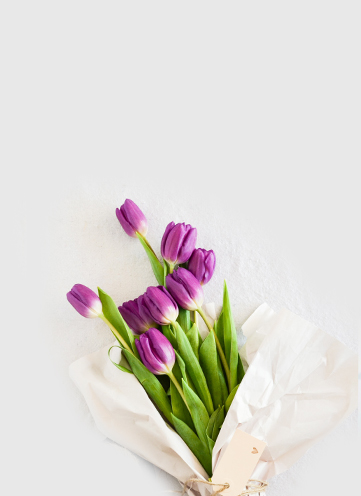
White tulips can express forgiveness, while purple ones denote royalty or admiration. - Royal Blooms: Ottoman sultans wore tulip motifs and included these flowers on imperial robes and in palace gardens--they became the epitome of luxury and grandeur in Turkish art.
The Language of Tulips
Next time you gift or plant tulips, consider their meanings. The right color tulip can express gratitude, remembrance, or joy, turning a simple bouquet into a heartfelt message.
6. Tulips Have Their Own Unique "Bio-Clock"
Tulips are marvels of biological timekeeping. These flowers know exactly when to wake from winter dormancy and how to pace the development of their stems and blooms. Understanding their internal timing can help gardeners achieve longer-lasting tulip displays.
- Thermal Requirements: Tulip bulbs need a cold period to break dormancy--a process called vernalization. Without chilling, the bulbs may not sprout or flower at all.
- Developmental Timing: Once the ground warms and daylight increases, tulips begin their rapid growth, often going from dormant bulbs to a full bloom in only 2-3 weeks.
How to Extend Tulip Blooms
Planting tulip varieties with staggered bloom times is a gardener's secret for waves of spring color. Choose from early, mid, and late-season tulips for a continuous show from March through May.
7. The Global Reach and Economic Impact of Tulips
Tulips are a global business, with the Netherlands serving as the epicenter of production and export. But their reach extends far beyond the famous Dutch fields, influencing industries, traditions, and landscapes worldwide.
- The Dutch Connection: Today, the Netherlands exports over 2 billion tulip bulbs annually to more than 100 countries. Dutch horticulturists are world leaders in tulip breeding, innovation, and sustainability.
- Worldwide Celebrations: From the Canadian Tulip Festival in Ottawa to Istanbul's Tulip Festival and Japan's Tonami Tulip Park, these flowers are celebrated on every continent.
- Tulip Tourism: Tulip fields draw millions of international visitors each year. The famous Keukenhof Gardens in Holland alone sees over a million tourists each spring, all eager to witness the blooming spectacle.
Tulip Trends--Now and Future
With eco-friendly cultivation and breathtaking new hybrids, tulip bulbs continue to drive the horticulture industry. The future may even see breakthroughs such as blue tulip varieties or climate-resilient bulbs, expanding their magic across even more regions.
Frequently Asked Questions About Tulips
-
How long do tulips last?
Garden tulips typically bloom for 1-2 weeks, while carefully stored cut tulips in a vase can brighten your home for up to 10 days. -
Are tulips perennial?
Most tulips are technically perennials, but many modern hybrids deliver their best performance in the first year and may not reliably return without special care. -
How do you plant tulip bulbs?
Plant bulbs in fall, about 6 inches deep and spaced several inches apart, in well-drained soil and full sun. Good drainage is crucial to prevent rot.
Conclusion: The Enduring Magic of Tulips
The story of tulips is intertwined with centuries of art, trade, love, and innovation. From their ancient Asian roots to modern fields of radiant color in the Netherlands, these flowers have enchanted people everywhere. Whether you grow them in your own garden or admire them in a field or vase, tulips are a symbol of renewal, hope, and the beauty found in diversity.
Next time you spot a tulip, recall the fascinating facts you've learned here--unlocking not only the secrets of these blooms but also a deeper appreciation for one of nature's most dazzling masterpieces.
Related Topics & Resources
- Gardening tips for tulip bulbs
- Symbolism of flowers and their meanings
- Famous tulip festivals around the world
- A timeline of tulip history
Latest Posts
Celebrate in Bloom: Best Flowers for a Joyous Birthday
Bringing Cheer with Every Stem: Best Birthday Flowers
Unfolding the Mystery: 8 Surprising Sunflower Facts
Unlock the Secrets of Orchid Care with This Guide
Journey into the World of Birth Flowers: What Does Yours Say About You